7 Common Causes of Roof Leaks and How to Find Them
Understanding the Causes of Roof Leaks Before They Lead to Costly Damage
A leaking roof can quickly turn a small roofing problem into expensive interior damage. Water stains on ceilings, damp insulation, and musty attic odors often indicate that moisture has entered somewhere through the roofing system. However, finding the source is not always straightforward.
Understanding the causes of roof leaks helps homeowners recognize warning signs, prevent additional damage, and determine when professional repairs are necessary.
In Eastern North Carolina, heavy rainfall, thunderstorms, high winds, and seasonal temperature changes can expose weaknesses in roofing materials. Below, StaDry Roofing & Restoration explains seven common causes of roof leaks, how to recognize them, and what homeowners should do next.
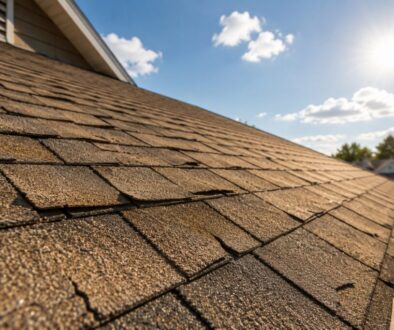
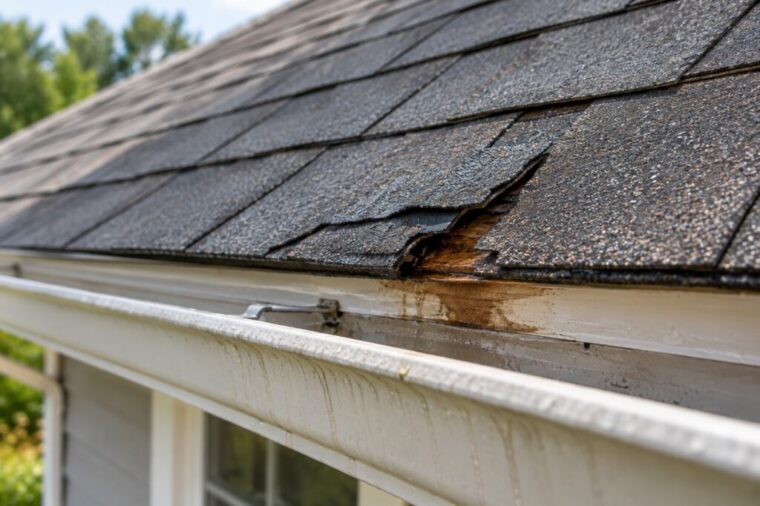
1. Missing, Cracked, or Damaged Roof Shingles
Damaged asphalt shingles are among the most common causes of roof leaks, particularly following severe thunderstorms or prolonged exposure to sunlight.
Shingles form the outer protective layer of a residential roof. When they crack, curl, loosen, or blow away, the underlying roofing materials become more vulnerable to moisture.
Warning signs include:
- Missing shingles or exposed roof underlayment
- Cracked or curling shingle edges
- Shingle granules collecting in gutters
- Water stains appearing after heavy rainfall
A few damaged shingles may require only localized roof repair. However, widespread deterioration could indicate a larger roofing problem requiring professional evaluation.
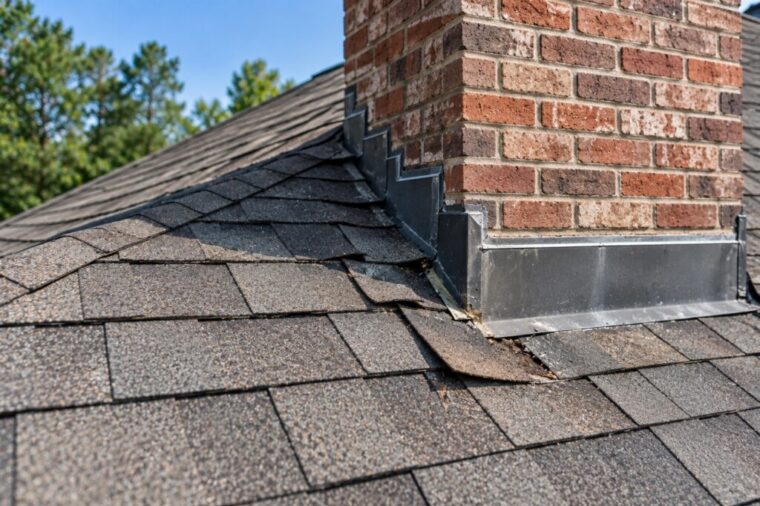
2. Deteriorated or Improperly Installed Roof Flashing
Roof flashing protects vulnerable areas where roofing materials meet chimneys, walls, valleys, and other structural features.
Loose, corroded, or incorrectly installed flashing is another leading contributor to the causes of roof leaks.
For example, improperly installed step flashing along a chimney can allow rainwater to travel beneath adjacent shingles. Water may then enter the attic and eventually appear as a ceiling stain several feet from the original opening.
Common problems include separated flashing, corrosion, damaged counterflashing, and deteriorated sealant.
Professional repairs should address the underlying flashing defect rather than relying exclusively on temporary caulking.
3. Cracked or Aging Plumbing Vent Boots
Plumbing vent pipes extend through the roof and typically rely on protective flashing assemblies, often called pipe boots, to prevent water intrusion.
Over time, rubber collars can crack, split, or separate from the pipe due to ultraviolet exposure and temperature fluctuations.
These failures are frequently overlooked causes of roof leaks because the surrounding shingles may appear perfectly intact.
Homeowners might notice water stains near bathrooms, kitchens, or interior walls where plumbing vents pass through the attic.
Replacing a deteriorated pipe boot is often a relatively straightforward repair when surrounding roofing materials remain in good condition.
4. Clogged Gutters and Poor Roof Drainage
Gutters and downspouts direct rainwater away from the roofline and foundation.
When leaves, pine needles, and debris obstruct drainage, water can overflow or accumulate near vulnerable roofing edges.
Poor drainage can contribute to the causes of roof leaks when water backs up beneath improperly protected roof edges or enters through deteriorated fascia and flashing.
Homeowners should watch for overflowing gutters, standing water, sagging gutter sections, and moisture stains beneath roof eaves.
Regular gutter cleaning and proper downspout maintenance help reduce these risks, especially during North Carolina’s rainy seasons.
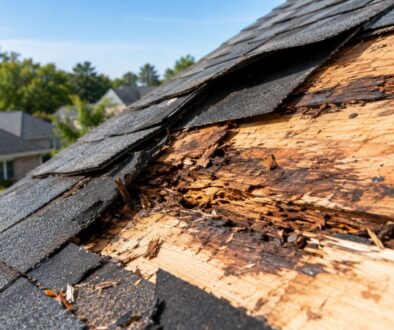
5. Damaged Roof Decking and Underlayment
Roof decking provides the structural surface supporting shingles and other roofing materials. Beneath the shingles, underlayment supplies an additional layer of water resistance.
When moisture penetrates the outer roofing system, prolonged exposure can weaken the decking and damage the underlayment.
These hidden problems can become contributing causes of roof leaks that continue even after visible shingles have been repaired.
Warning signs may include:
- Sagging or uneven roof surfaces
- Soft or discolored wood in the attic
- Persistent moisture or musty odors
- Repeated leaks in the same general area
Because structural deterioration may not be visible from outside, a professional inspection is important when decking damage is suspected.
6. Leaks Around Chimneys, Skylights, and Roof Penetrations
Every opening in a roof requires carefully installed waterproofing components.
Chimneys, skylights, exhaust vents, and other roof penetrations create transitions where water can enter if flashing or installation details fail.
These areas are particularly important when investigating the causes of roof leaks during heavy rain or wind-driven storms.
For example, a skylight may appear to be leaking through its glass when the actual problem involves deteriorated flashing or improperly integrated underlayment.
Similarly, chimney masonry defects or missing flashing can allow water to enter even when the surrounding shingles remain undamaged.
A roofing professional can examine these transitions and determine whether repairs involve the roof, the penetration itself, or both.
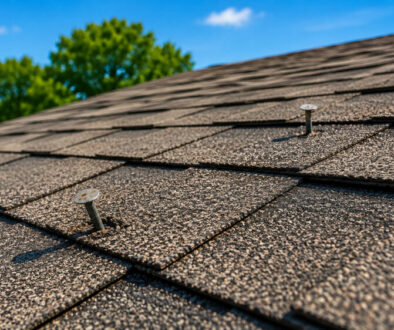
7. Improper Roof Installation or Previous Repairs
Not every roof leak results from aging materials or storm damage.
Installation defects are sometimes overlooked causes of roof leaks, particularly when roofing components were not installed according to manufacturer specifications.
Examples include:
- Incorrect shingle fastening or nail placement
- Inadequate flashing installation
- Improperly sealed roof penetrations
- Incorrect underlayment overlaps
- Poorly executed previous repairs
These problems may remain unnoticed until prolonged rainfall exposes weaknesses in the roofing system.
Correcting the original installation defect is generally more effective than repeatedly applying temporary patches.
How to Find a Roof Leak Without Climbing Onto Your Roof
Identifying the causes of roof leaks begins with careful observation.
Start by documenting where water stains, damp insulation, or dripping appear inside your home. Note whether the problem occurs during ordinary rainfall, heavy storms, or windy conditions.
If your attic is safely accessible, look for visible moisture, darkened wood, or wet insulation without disturbing electrical wiring or damaged structural materials.
Remember that water often travels along rafters, decking, or framing before becoming visible indoors. The location of a ceiling stain may not identify the actual roof opening.
Avoid climbing onto a wet or damaged roof. Professional roof inspections are the safest way to confirm the source of water intrusion.
When Should You Schedule Professional Roof Repair?
Understanding the causes of roof leaks can help homeowners identify problems early, but determining the appropriate repair requires evaluating the entire roofing system.
A small flashing defect or damaged pipe boot may require a targeted repair, while widespread deterioration, compromised decking, or repeated water intrusion could justify more extensive work.
StaDry Roofing & Restoration helps homeowners and businesses throughout Wilson, Raleigh, Greenville, Wilmington, and surrounding Eastern North Carolina communities evaluate roofing problems and identify practical repair solutions.
Protect Your Home by Addressing Roof Leaks Early
Recognizing the causes of roof leaks before extensive water damage develops can help protect your home’s structure, insulation, ceilings, and interior finishes.
Whether the problem involves damaged shingles, aging flashing, plumbing vents, or hidden decking deterioration, identifying the source is the first step toward a lasting solution.
If you notice water stains, missing shingles, or signs of moisture intrusion, contact StaDry Roofing & Restoration to schedule a professional roof inspection and discuss your roof repair options.
Frequently Asked Questions
-
The most common causes of roof leaks include damaged shingles, deteriorated flashing, cracked plumbing vent boots, poor drainage, and installation defects. Roof penetrations and damaged underlayment can also allow water to enter. A professional inspection helps identify the actual source.
-
Yes. A roof can leak even when its shingles appear undamaged. Water may enter through failed flashing, cracked vent boots, skylight connections, or hidden installation defects. These problems often require closer inspection to identify.
-
Heavy rain can expose roofing weaknesses that remain unnoticed during lighter rainfall. Wind-driven water may enter through flashing gaps, roof penetrations, or improperly sealed transitions. Blocked drainage areas can also contribute to water intrusion.
-
Yes. Even a small roof leak can eventually damage roof decking, insulation, framing, and interior finishes. Repeated moisture exposure may contribute to wood rot and mold growth. Prompt repairs can help prevent more extensive damage.
-
Repairing a leaking roof is often appropriate when the damage is localized and the surrounding roofing system remains in good condition. Replacement may be more practical when the roof has widespread deterioration, repeated leaks, or significant structural damage. A professional assessment can determine the best option.