
Roof Condensation Damage
Winter Moisture Problems Every Homeowner Should Know
Winter in Eastern North Carolina may not always bring heavy snowfall, but it does bring a different kind of moisture threat many property owners overlook: roof condensation damage. During winter – especially in January – cold mornings, fluctuating daytime temperatures, and high indoor humidity create ideal conditions for moisture to form inside attics and roofing systems. Left untreated, roof condensation damage can lead to mold growth, wood rot, insulation failure, and even winter roof leaks. Understanding how condensation forms—and what to do about it—can help homeowners, businesses, and property managers avoid costly winter roof repairs and emergency roof repairs later in the season.
Understanding Roof Condensation Damage in Winter
How Roof Condensation Damage Develops
Roof condensation damage occurs when warm, moist indoor air rises into the attic and meets cold roof surfaces. In winter, this temperature contrast is common, but it often becomes more pronounced in January as overnight lows drop while daytime temperatures rebound. In Eastern North Carolina, where humidity remains relatively high even during winter months, this rapid cooling causes moisture to condense into water droplets that soak insulation, roof decking, and framing.
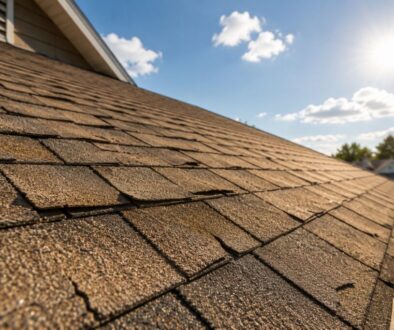
Over time, this trapped moisture leads to roof moisture damage, weakens structural components, and accelerates winter roof damage signs that may not be visible from the ground.
Why January Increases Winter Condensation Risks in Eastern North Carolina
Unlike colder northern climates, homes in Wilson, Greenville, Raleigh, and Wilmington experience frequent winter temperature swings. January often brings cold nights followed by milder afternoons, which can increase condensation cycles in the attic and raise the risk of roof condensation damage without obvious exterior roof damage in winter.
Additionally, tightly sealed homes running heating systems during winter months trap warm air indoors, increasing attic humidity levels—a common contributor to winter roof emergencies in Wilson, North Carolina.
Warning Signs of Winter Roof Condensation Damage
Property owners should watch for these common winter roof damage signs:
- Damp or compressed attic insulation
- Water stains on ceilings or attic rafters
- Musty odors or visible mold growth
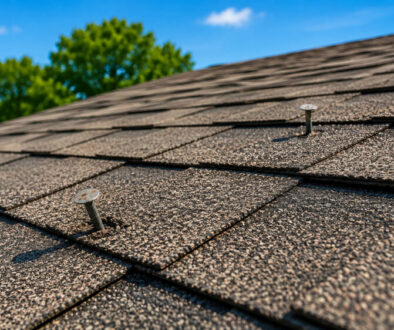
- Frost buildup on nails or roof decking
- Unexplained winter roof leaks
These symptoms often indicate roof condensation damage rather than storm-related roof damage and require a different repair approach.
DIY Prevention Tips to Reduce Winter Roof Condensation Damage
While some moisture issues require professional help, several DIY steps can help limit roof condensation damage during winter:
- Improve attic ventilation to allow moist air to escape.
- Seal attic air leaks around light fixtures and ductwork.
- Use bathroom and kitchen exhaust fans consistently.
- Check insulation coverage to prevent cold roof surfaces.
- Monitor attic humidity levels during January cold snaps.
These steps can significantly reduce roof moisture damage and help prevent winter roof repair needs.
When DIY Isn’t Enough – Call StaDry Roofing
DIY solutions can help, but if moisture persists, it’s time to call StaDry Roofing of Wilson, NC. Professional roofers can assess attic airflow, roof ventilation systems, and hidden winter moisture issues before they escalate into urgent roof repair or other emergency scenarios.
Ignoring roof condensation damage during winter can turn a manageable issue into an ice-damaged roof, rotted decking, or widespread winter roof damage that requires extensive repairs.
Serving Eastern North Carolina Communities
StaDry Roofing proudly serves homeowners, businesses, and property managers throughout Greenville, Raleigh, Wilmington, Wilson, and surrounding areas across North Carolina. Their local expertise ensures roofing solutions are designed specifically for Eastern NC’s winter climate and persistent humidity.
FAQs About Roof Condensation Damage
-
Roof condensation damage occurs when warm indoor air meets cold roof surfaces, resulting in moisture buildup in the attic during the winter months.
-
Yes. Prolonged roof condensation can saturate materials and lead to winter roof leaks.
-
Yes. Roof condensation damage is caused by internal moisture, not external weather events.
-
Absolutely. Commercial roofs often face increased condensation risks due to HVAC systems and large interior spaces.
-
If moisture persists despite DIY efforts or winter roof damage signs appear, professional evaluation is critical.
Trusted Roofing Solutions Backed by Experience
StaDry Roofing provides reliable, professional, and responsive roofing solutions to homeowners, businesses, and property managers throughout Eastern North Carolina. Backed by many years of experience, their team understands how winter conditions—and January’s temperature swings—impact local roofing systems and how to prevent damage before it spreads.
-

- StaDry shows the steps how it affect your roof over the winter.