Roof Repair vs Replacement: How to Make the Right Decision
Understanding When Roof Repairs Are Enough and When Replacement Makes More Sense
When your roof begins showing signs of wear, develops a leak, or suffers storm damage, one of the biggest decisions you’ll face is whether to repair the existing roof or replace it entirely.
Understanding roof repair vs replacement can help you avoid unnecessary expenses, protect your home, and make a more informed investment in your property.
Not every roofing problem requires a complete replacement. In many cases, targeted repairs can restore your roof’s performance and extend its useful life. However, when damage becomes widespread or roofing materials approach the end of their expected lifespan, replacement may offer better long-term protection.
For homeowners throughout Eastern North Carolina, StaDry Roofing & Restoration recommends considering several important factors before making this decision.
When Is Roof Repair the Better Option?
Roof repairs are often the most practical solution when damage is limited to a specific area and the overall roofing system remains in good condition.
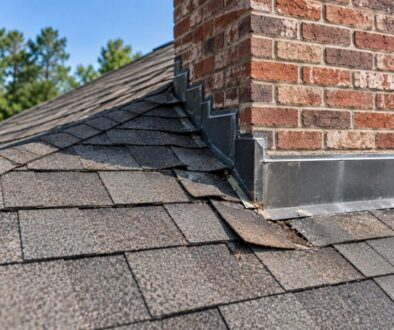
For example, a roof with a few missing shingles following a thunderstorm may only require localized repairs. Similarly, deteriorated flashing around a chimney or plumbing vent can sometimes be replaced without disturbing the surrounding roofing materials.
Roof repair may be appropriate when:
- The roof is relatively new and in good overall condition.
- Damage is isolated to a small section.
- Most shingles remain secure and structurally sound.
- Leaks originate from identifiable, repairable problems.
- The underlying roof decking is in good condition.
- Repairs can reasonably extend the roof’s useful lifespan.
When evaluating roof repair vs replacement, remember that a properly performed repair should address the source of the problem rather than simply cover visible damage.
When Does Roof Replacement Make More Sense?
A complete roof replacement becomes worth considering when repairs can no longer provide dependable protection or when the existing roofing materials have significantly deteriorated.
Although asphalt shingle roofs commonly last approximately 20 to 30 years, their actual lifespan varies depending on material quality, installation, ventilation, maintenance, and environmental conditions.
An older roof isn’t automatically beyond repair. However, multiple problems developing across different sections can indicate that the roofing system is nearing the end of its service life.
Replacement may be more appropriate when:
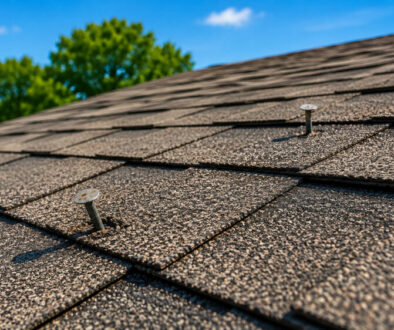
- Shingles are extensively cracked, curled, or deteriorating.
- Leaks repeatedly develop in different locations.
- Large sections of roofing materials have failed.
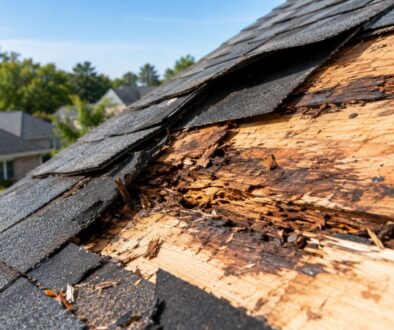
- Moisture has damaged substantial areas of roof decking.
- Previous repairs have provided only temporary relief.
- The cost of continued repairs is becoming difficult to justify.
The roof repair vs replacement decision should consider the condition of the entire roofing system, not simply its age or appearance.
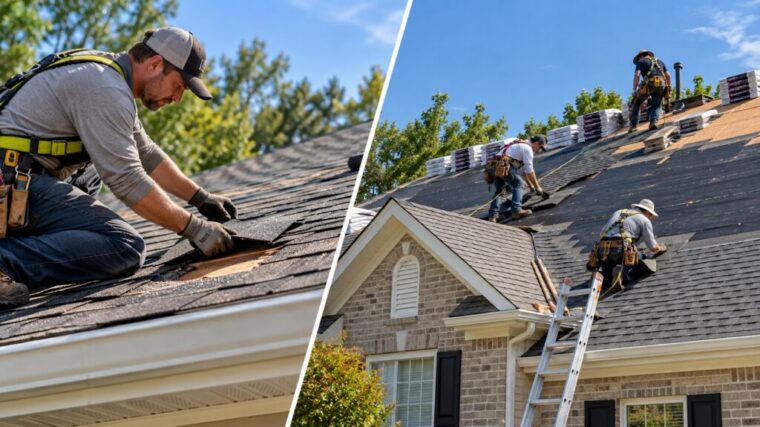
How Do Roof Repair and Replacement Costs Compare?
Cost is often one of the biggest concerns for homeowners considering roofing work.
Roof repairs typically cost less initially because they address specific areas rather than the entire roofing system. However, the total expense depends on the type of damage, roofing materials, accessibility, and labor requirements.
Roof replacement requires a larger upfront investment, but it can eliminate widespread deterioration and provide a new roofing system with a longer expected service life.
When comparing roof repair vs replacement costs, consider three important questions:
- How much will the immediate repair cost?
- How likely is the roof to require additional repairs?
- How many years of dependable service can reasonably be expected afterward?
For example, repairing a small area of wind-damaged shingles on a relatively new roof may be a sensible investment. Spending money repeatedly on an aging roof with multiple leaks may become less economical.
A professional roofing estimate should explain the recommended work, associated costs, and whether repairs are likely to provide lasting results.
How Does Roof Age Affect Your Decision?
Roof age provides useful information, but it shouldn’t be the only factor influencing your decision.
A 12-year-old roof with extensive storm damage may require replacement, while a well-maintained 20-year-old roof with a minor flashing problem might still be repairable.
The important consideration is the roof’s remaining useful lifespan.
Homeowners should evaluate the condition of their shingles, flashing, underlayment, ventilation, and roof decking before making a decision.
If your roof is approaching the end of its expected lifespan, investing in extensive repairs may offer limited long-term value.
This is why a professional inspection is particularly important when weighing roof repair vs replacement for an aging roofing system.
Can Roof Leaks and Water Damage Be Repaired?
Yes, many roof leaks can be repaired successfully, particularly when the source is identified early.
Common causes include damaged shingles, deteriorated flashing, failed pipe boots, and improperly sealed roof penetrations.
However, water damage can extend beyond the area where a leak becomes visible inside your home.
Moisture may travel along rafters, insulation, and roof decking before appearing as a ceiling stain. Prolonged exposure can also weaken wood components and encourage mold growth.
A thorough inspection should determine whether the problem involves a localized roofing defect or more extensive deterioration.
When considering roof repair vs replacement, recurring leaks and hidden moisture damage deserve special attention because surface repairs may not resolve underlying problems.
How Does Eastern North Carolina’s Climate Affect Roofing Decisions?
Homeowners throughout Eastern North Carolina face weather conditions that can place significant stress on residential roofing systems.
Heavy rainfall, high humidity, thunderstorms, strong winds, and tropical storms can contribute to shingle deterioration, damaged flashing, and moisture intrusion.
Homes in Wilson, Raleigh, Greenville, Knightdale, Zebulon, and surrounding communities may experience roofing problems associated with prolonged heat exposure and severe weather.
For example, isolated wind damage following a storm may be repairable when the surrounding roofing materials remain in good condition.
However, widespread shingle damage on an older roof may justify considering replacement.
When evaluating roof repair vs replacement in North Carolina, homeowners should consider the roof’s existing condition, previous storm exposure, and ability to provide reliable protection during future weather events.
Why a Professional Roof Inspection Matters
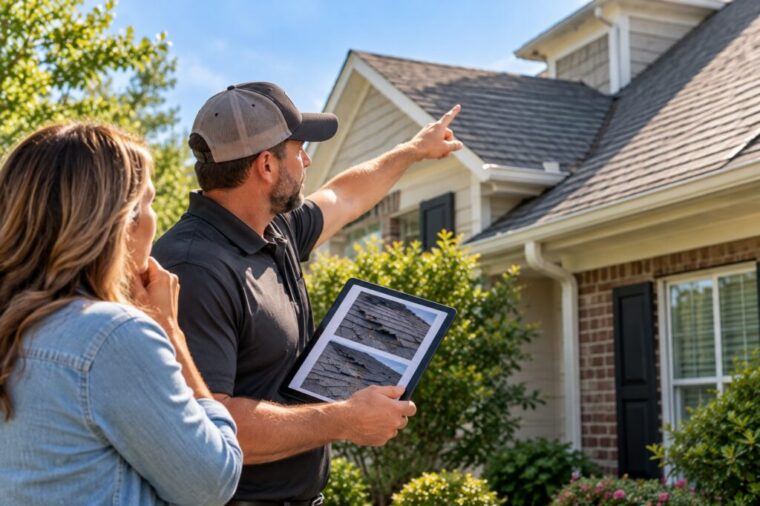
A professional roof inspection helps homeowners make decisions based on actual conditions rather than assumptions.
An experienced roofing contractor can examine accessible roofing components, identify visible damage, investigate potential leak sources, and evaluate whether repairs are practical.
A comprehensive assessment may include:
- Examining shingles for deterioration and storm damage.
- Inspecting flashing around chimneys, vents, and roof penetrations.
- Checking accessible roof decking for moisture-related damage.
- Evaluating ventilation and drainage conditions.
- Identifying previous repairs and recurring problem areas.
- Assessing whether repair or replacement offers better long-term value.
A contractor should also explain any inspection limitations, particularly when concealed damage cannot be confirmed without removing roofing materials.
At StaDry Roofing & Restoration, we believe homeowners should understand their roofing options before committing to major work.
Making the Right Roof Repair vs Replacement Decision
Choosing between roof repair vs replacement ultimately comes down to protecting your home while making a financially responsible decision.
If your roof is relatively young and damage is limited, professional repairs may provide years of additional protection. If the roofing system is deteriorating, experiencing repeated leaks, or approaching the end of its useful lifespan, replacement may be the more dependable investment.
The goal isn’t simply to choose the least expensive option today. It’s to select the solution that provides appropriate protection and long-term value.
StaDry Roofing & Restoration provides professional roof repair and roof replacement services throughout Eastern North Carolina.
Whether you’re dealing with storm damage, an aging roof, or an unexplained leak, our team can evaluate your roofing system and explain the available solutions.
Contact StaDry Roofing & Restoration today to schedule a roof inspection and request a free roofing estimate.
Frequently Asked Questions
-
Roof repair is generally less expensive initially because it addresses specific damage rather than replacing the entire roofing system. However, frequent repairs on an aging roof may eventually cost more than investing in replacement. The most economical choice depends on the roof’s condition and remaining lifespan.
-
Yes. Many roofing problems, including isolated shingle damage, deteriorated flashing, and certain leaks, can be repaired without replacing the entire roof. Repairs are most appropriate when the surrounding roofing materials remain in good condition.
-
A roof may be approaching the end of its useful life when shingles show widespread deterioration, leaks become frequent, or multiple areas require attention. Age alone doesn’t determine whether replacement is necessary. A professional inspection provides a more reliable assessment.
-
Not necessarily. Minor storm damage may be repairable, while widespread wind or hail damage may justify replacement. The decision depends on the severity of the damage, roofing materials, structural condition, and whether effective repairs are possible.
-
Homeowners insurance may cover roofing damage caused by covered events, such as certain windstorms or hailstorms. Coverage depends on the policy, cause of damage, exclusions, deductible, and claim settlement provisions. Normal wear and aging are generally excluded.