Preventing Roof Heat Damage: How Summer Temperatures Impact Your Roof and What You Can Do
Protect Your Roof’s Lifespan with Strategies to Prevent Roof Heat Damage
Summer in North Carolina brings long days, intense sunshine, and extended periods of high temperatures. While many homeowners and business owners focus on keeping indoor spaces comfortable, the roof above them is often exposed to extreme heat every day.
Understanding and preventing roof heat damage is essential for protecting your investment, extending roof lifespan, and avoiding costly repairs. From attic heat buildup and roof overheating to shingle deterioration and ventilation concerns, several factors influence how hot weather affects roofing systems. In this guide, we’ll explore how heat affects roof shingles, why attic temperatures matter, and practical steps property owners can take to keep their roofs performing at their best throughout the summer season.
How Heat Affects Roof Shingles During Summer
Many people associate roof damage with storms, wind, or hail, but prolonged heat can also take a significant toll on roofing materials. Understanding how heat affects roof shingles is one of the first steps toward preventing roof heat damage.
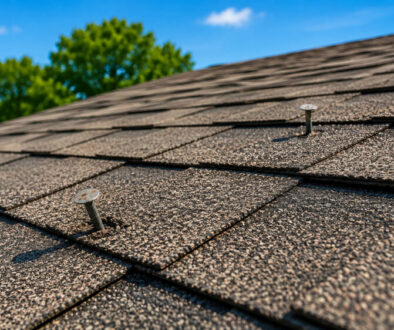
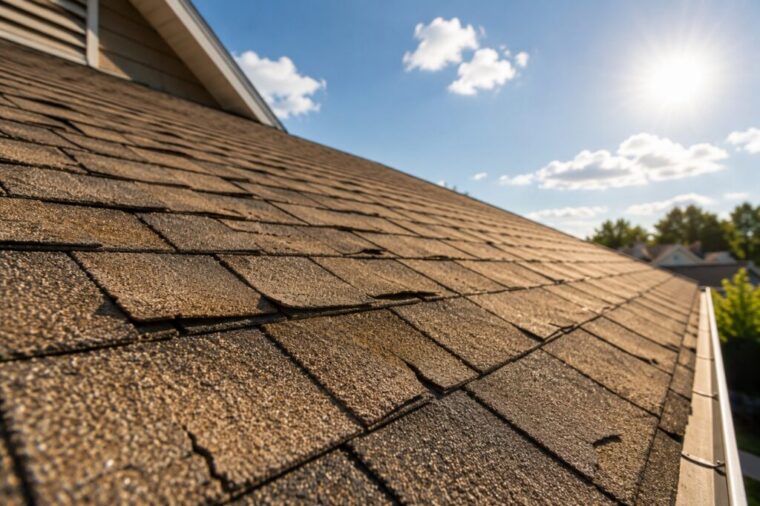
As temperatures climb, roofing materials expand. When the sun sets and temperatures cool, those same materials contract. This repeated cycle can accelerate wear over time. Shingles may become brittle, lose flexibility, or experience premature aging. In some cases, excessive heat exposure contributes to roof shingle heat damage, increasing the likelihood of cracks, lifted shingles, and other hot-weather roofing problems.
For property owners throughout Greenville, Raleigh, Wilmington, Wilson, NC, and other communities across Eastern North Carolina, summertime heat can be especially demanding on roofing systems due to extended periods of intense sunlight and humidity.
The Hidden Impact of High Attic Temperatures
Many roofing issues actually begin beneath the roof surface. High attic temperatures can dramatically increase stress on roofing materials.
When attic heat buildup occurs, temperatures inside the attic can rise significantly above outdoor temperatures. This trapped heat transfers upward into the roof deck and shingles, creating additional strain on the roofing system.
Excessive attic temperatures may contribute to:
- Accelerated shingle deterioration
- Reduced roof lifespan
- Increased energy consumption
- Premature aging of roofing materials
- Greater risk of attic heat and roof damage
Because of these risks, preventing roof heat damage requires attention not only to the roof itself but also to the attic space below it.
Why Roof Ventilation Matters
One of the most effective ways of preventing roof heat damage is maintaining proper attic ventilation.
Roof ventilation in hot weather helps remove excess heat and moisture from the attic, allowing air to circulate more efficiently. Without adequate airflow, trapped heat can create conditions that lead to roof overheating and unnecessary stress on shingles and other roofing components.
Proper attic ventilation may help:
- Lower attic temperatures
- Reduce heat buildup
- Improve energy efficiency
- Extend roof lifespan
- Support healthier roofing performance
Whether you own a home, office building, retail center, or other commercial property, roof ventilation for hot climates can play a critical role in protecting your roofing investment. In many cases, proper ventilation is one of the most effective long-term strategies for preventing roof heat damage and reducing unnecessary stress on roofing materials.
Common Signs of Summer Roof Damage
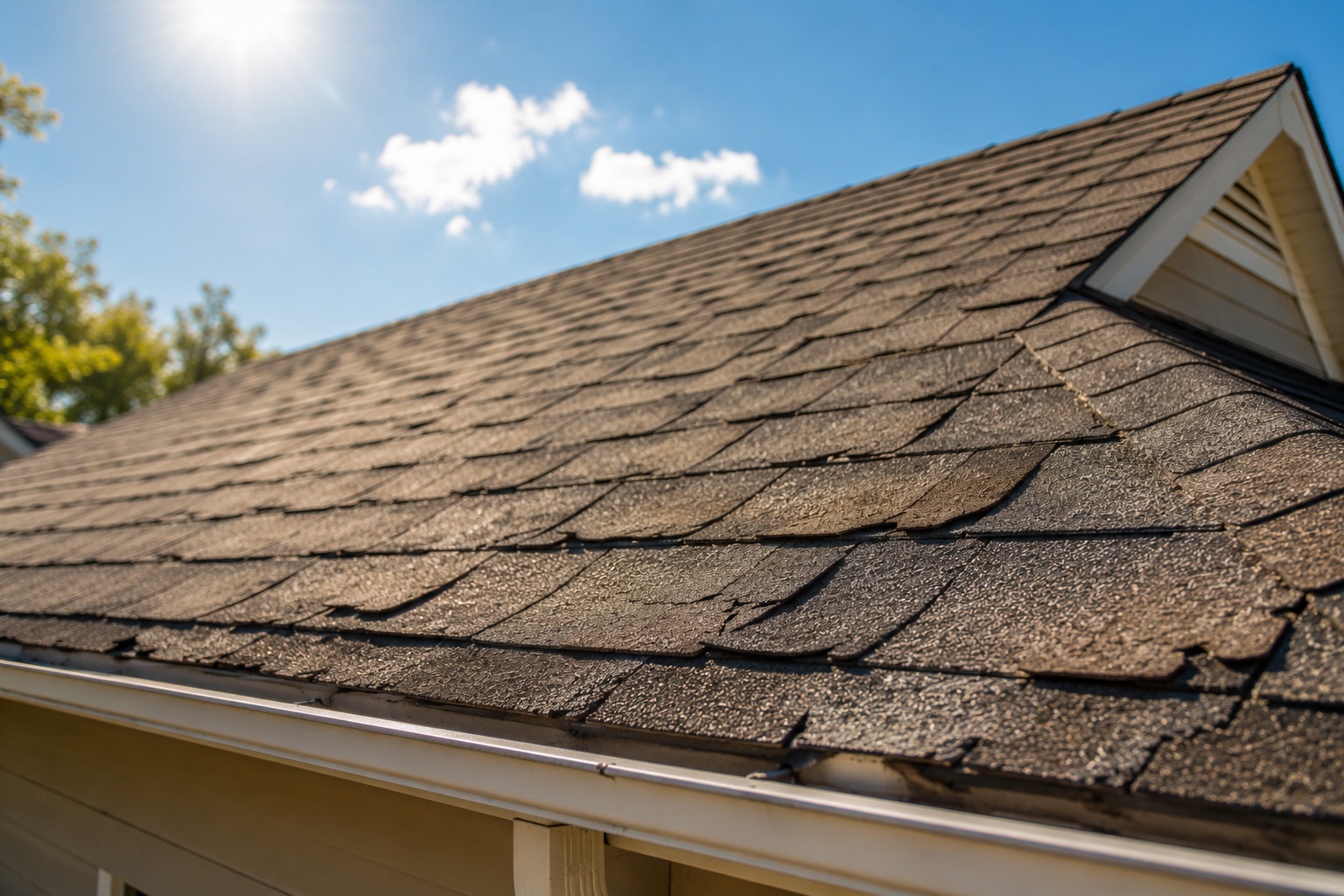
Early detection can make a major difference when it comes to preventing roof heat damage. Property owners should periodically inspect their roofs for warning signs that may indicate heat-related wear.
Some common indicators include:
- Flashing around chimneys and vents showing signs of wear
- Curling or aging shingles
- Interior temperature increases
- Rising energy bills
- Lifted shingles
- Cracked sealant
- Damaged sealant around penetrations
- Loose flashing
If these issues are identified early, repairs may help prevent more extensive roof repair needs later.
Summer Roof Maintenance Tips
Routine inspections and maintenance are essential for preventing roof heat damage and protecting both residential roofing and commercial roofing systems.
-
Regular inspections help identify small concerns before they become major problems.
-
Ensure attic ventilation systems are functioning properly and not obstructed.
-
Excessively high attic temperatures can signal airflow issues that require attention.
-
Look for loose flashing, cracked sealant, or damaged sealant around roof penetrations.
-
Small roofing concerns often become larger issues when exposed to months of summer heat.
Following these maintenance practices can significantly improve your success in preventing roof heat damage while helping maximize the life of your roof.
Why Local Experience Matters
North Carolina roofing faces unique seasonal challenges. Hot summers, humidity, sudden storms, and prolonged UV exposure can all affect roofing performance.
Property owners searching for roofers near me often benefit from working with professionals who understand local weather patterns and roofing demands. Regional experience allows roofing professionals to identify risks specific to Eastern North Carolina and recommend solutions tailored to local conditions.
For homeowners and business owners throughout Greenville, Raleigh, Wilmington, Wilson, and surrounding communities, understanding preventing roof heat damage can help reduce long-term maintenance costs and protect property value.
Roof Heat Damage: Frequently Asked Questions
-
Yes. Prolonged exposure to high temperatures can accelerate shingle aging, increase brittleness, and contribute to roof shingle heat damage over time.
-
Proper attic ventilation removes trapped heat and moisture, reducing attic temperatures and minimizing stress on roofing materials.
-
Attic temperatures can significantly exceed outdoor temperatures when ventilation is inadequate, increasing the risk of attic heat buildup and roof damage.
-
Most roofing professionals recommend at least one inspection annually, with additional inspections following severe weather events.
-
Common warning signs include lifted shingles, cracked sealant, loose flashing, damaged sealant, and visible shingle deterioration.
Protect Your Roof Before Heat Damage Becomes a Problem
When summer temperatures rise, proactive maintenance becomes increasingly important. By understanding how hot weather damages shingles, monitoring attic temperatures, improving roof ventilation, and scheduling regular inspections, property owners can significantly reduce the risk of heat-related roofing problems.
StaDry Roofing & Restoration of Wilson, NC helps homeowners, residential properties, business owners, building managers, and property managers throughout Eastern North Carolina protect their roofing systems through expert inspections, roof repair services, and long-term maintenance solutions. Backed by years of experience, professionalism, integrity, dedication, excellence, quality workmanship, and trusted service, StaDry Roofing & Restoration remains committed to helping customers extend roof lifespan and maintain confidence in their roofing investment year-round.
-
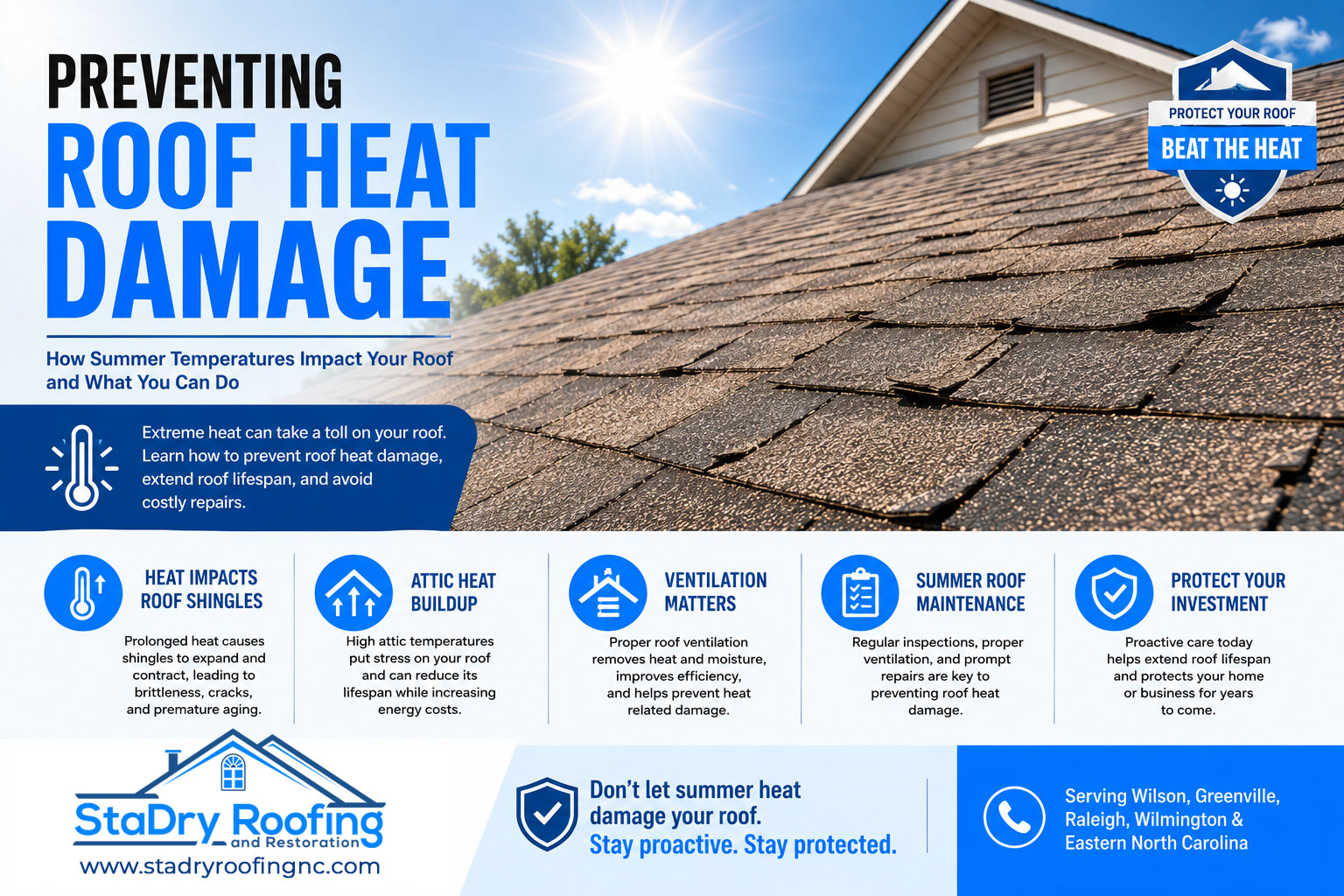
- This picture shows how to prevent heat damage of a roof.