
Roof Inspection After a Hurricane in North Carolina
North Carolina is no stranger to powerful storms and unpredictable weather.
Each year, homeowners brace for the possibility of hurricanes and tropical storms that bring heavy rain, debris, and hurricane winds. While preparing before the storm is essential, what you do afterward is just as critical. One of the most important steps you can take is scheduling a roof inspection after a hurricane to ensure your home hasn’t suffered hidden damage.
Your roof is the first line of defense against the elements, and even minor storm damage can turn into costly repairs if left unchecked. A thorough roof damage inspection helps uncover vulnerabilities early, ensuring your home is ready for autumn’s cooler temperatures, falling leaves, and increased rainfall.
Why a Roof Inspection After a Hurricane Is Essential
When storms pass, many homeowners focus on visible issues like downed trees or flooding. But roof damage is often less obvious at first glance. That’s why roof inspections are so critical after hurricane season.
Here’s why you shouldn’t delay your roof inspection after a hurricane:
1. Spot Hidden Damage
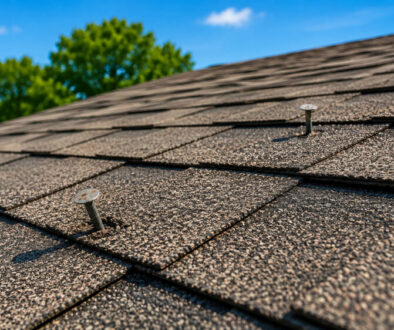
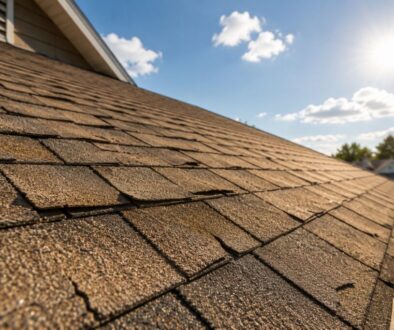
Hurricanes often cause shingle displacement, cracked flashing, or loosened gutters. From the ground, your roof may appear intact, but only a professional roof inspection can uncover subtle damage that could allow water to seep in.
2. Prevent Future Problems
Minor roof issues can escalate when autumn rains arrive. Small leaks lead to water stains, mold growth, and even structural weakening. A prompt roof inspection after a hurricane ensures you catch problems early and protect both your roof and your wallet.
3. Insurance Documentation
If your roof sustained storm damage, your insurance company will want proof. Having an expert roofer perform a thorough roof damage inspection provides detailed documentation to support your claim.
Common Types of Hurricane Roof Damage
During a roof inspection after a hurricane, trained professionals look for a variety of issues. After hurricane winds and heavy rains, here are some common problems that may be uncovered:
- Missing or lifted shingles – Strong winds can strip shingles away or loosen them, leaving your roof vulnerable.
- Damaged flashing – Metal strips around vents, skylights, and chimneys may crack or lift.
- Water intrusion – Even a tiny gap allows water to penetrate, causing long-term interior damage.
- Clogged gutters and downspouts – Leaves, branches, and storm debris can block drainage, leading to water pooling.
- Structural stress – Flying debris or fallen limbs may cause dents, cracks, or even punctures.
Preparing Your Roof for Autumn
Once your roof inspection after a hurricane is complete, take steps to prepare your roof for the months ahead:
- Clear Gutters and Downspouts – Ensure proper drainage to prevent water backup.
- Trim Nearby Trees – Remove overhanging branches to reduce the risk of falling debris.
- Check Attic Insulation – Proper insulation helps control temperature and spot leaks faster.
- Seal Entry Points – Look for gaps where water, cold air, or even pests might get inside.
- Schedule Preventive Maintenance – Routine upkeep by expert roofers keeps your roof in prime condition.
FAQ: Roof Inspections After Hurricanes
Here are some common questions homeowners in North Carolina have about Roof Inspections After a Hurricane:
1. How soon should I get a roof inspection after a hurricane?
It’s best to schedule a professional roof inspection as soon as possible after the storm passes. Quick action helps prevent further damage and speeds up the insurance claim process.
2. What are the signs of roof damage I can spot myself?
From the ground, look for missing or curled shingles, sagging gutters, or debris on the roof. Inside your home, check for water stains on ceilings or damp spots in the attic. These are early warning signs that a roof damage inspection is needed.
3. Can I do my own roof inspection?
You can visually assess for obvious problems, but only expert roofers have the training and equipment to perform a full roof inspection after a hurricane safely. Attempting to climb on your roof can be dangerous and may cause further damage.
4. What does a professional roof inspection include?
A licensed roofer will check for shingle condition, flashing integrity, gutter performance, structural stability, and signs of water intrusion. They’ll also document findings with photos for your insurance company.
5. What should I do if I find roof damage?
Contact a trusted roofing company immediately. Prompt repairs prevent further issues and ensure your home is ready for autumn’s weather. Keep receipts and photos for insurance purposes.
6. How do I know if hurricane winds caused the damage?
Hurricane winds often cause shingles to lift, tear, or blow away entirely. If you notice patches of missing shingles, granules in gutters, or loose flashing, these are likely storm-related issues that need immediate attention.
Final Thoughts
After hurricane season in Eastern North Carolina, your roof deserves a thorough checkup. Even if the storm seemed mild, unseen damage can create major problems once autumn rains arrive. A professional roof inspection by expert roofers gives you peace of mind that your home is secure, energy-efficient, and protected from the months ahead.
Don’t wait until you see a leak or water stain; schedule your roof inspection after a hurricane today. Protecting your roof now ensures your home stays safe, warm, and comfortable all season long.