After a storm or high winds, remember to perform a roofing storm damage inspection.
Quick and simple tips to care for your home, your possessions, and above all, your loved ones.
After a windstorm, it is important to thoroughly inspect your roof to ensure it is in good condition and has not sustained any roofing storm damage. Follow this step-by-step guide to make sure your home is okay and has not sustained any roofing storm damage after a windstorm:
Visual Inspection from the ground for signs of roofing storm damage:
Start with a visual inspection of your roof from the ground. Use binoculars if necessary. Look for the following:
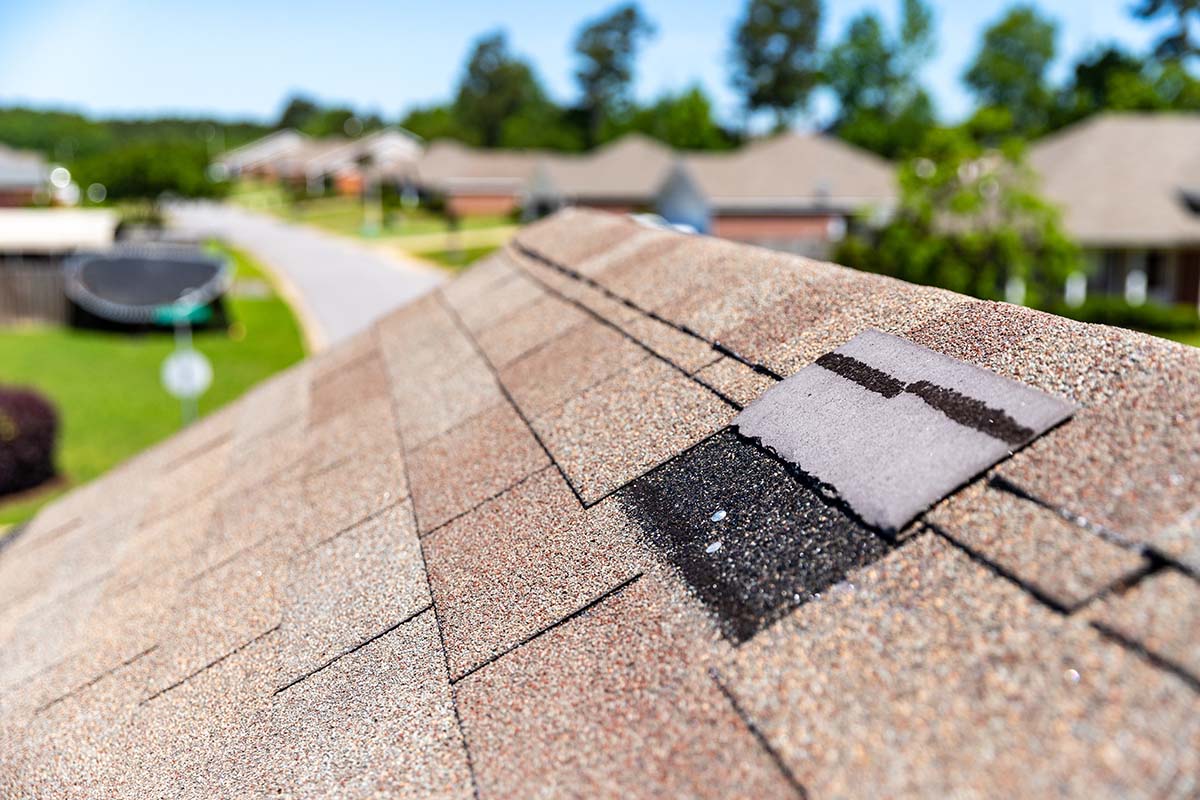
- Missing or loose shingles.
- Bent or lifted flashing around chimneys, vents, and skylights.
- Signs of debris, tree limbs, or other foreign objects on the roof.
Check for Leaks:
Inspect your attic or the home’s top floor for any signs of water leaks, such as water stains or drips on the ceiling or walls. If you notice any water-related issues, address them immediately.
Examine the Gutters:
Check your gutters for debris like leaves, branches, or shingles. This can give you an idea of any roof storm damage. If your gutters are clogged, clear them to ensure proper water drainage.
Inspect Flashing and Vents:
Carefully examine the flashing around vents, chimneys, and other roof penetrations. Ensure that it’s intact and not peeling away, as damaged flashing is a common source of roofing storm damage
Look for Damaged Shingles:
If it’s safe, you can inspect for roofing storm damage up close. What to check for:
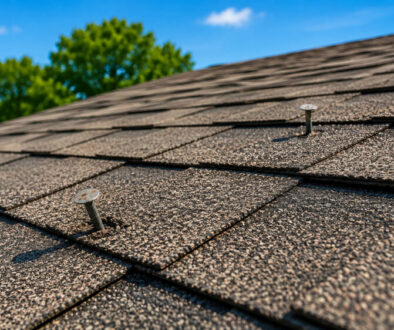
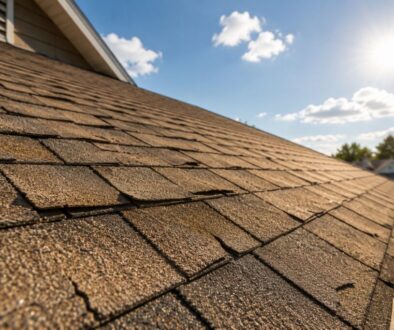
- Missing, cracked, or curling shingles are common signs of roofing storm damage.
- Shingles that have been lifted or moved out of place.
Document the Damage:
Take photos of any damage you find, as these can be useful for insurance claims or when hiring a roofing professional.
Contact a Roofing Professional:
If you notice significant damage or have doubts about your roof’s condition, especially if you suspect roofing storm damage, it’s advisable to contact a licensed roofing professional. They can conduct a more thorough inspection and provide expert guidance on the necessary repairs.
File an Insurance Claim:
If your roof has sustained substantial roofing storm damage and you have insurance coverage, contact your insurance company to begin the claims process. Provide them with the photos and documentation you collected during your inspection.
Preventative Measures:
To minimize the risk of future damage, consider taking preventative measures such as trimming overhanging tree branches and securing loose objects around your property that can become projectiles in high winds.
Storm Damage Roof Inspection FAQs
-
Look for missing or loose shingles, bent or lifted flashing, and debris such as branches or foreign objects. Binoculars can help you see details safely from the ground.
-
Check your attic or top floor for water stains, damp spots, or active drips on walls or ceilings. Any sign of moisture means the issue needs immediate attention.
-
Gutters can trap debris like leaves, branches, and shingle pieces. Clogged gutters can indicate roof damage and prevent proper water drainage, so clear them and inspect for signs of impact.
-
Look closely at the flashing around chimneys, vents, and skylights. Ensure it’s not peeling, bent, loose, or lifting away from the roof surface.
-
Watch for missing, cracked, curling, lifted, or displaced shingles. These issues can expose your roof to leaks and further damage.
-
Yes. Take clear photos of all visible damage. This documentation is helpful when filing insurance claims or consulting with a roofing professional.
-
If you find significant damage, see leaks, notice loose or lifted shingles, or feel unsure about your roof’s condition, call a licensed roofing expert for a full inspection.
-
If your roof has substantial damage and you have coverage, contact your insurance provider. Submit photos and notes from your inspection to start the claims process.
-
Trim overhanging tree branches and secure loose outdoor objects that could become airborne during high winds.
-
Your safety is top priority. If you’re uncomfortable climbing or unsure about the roof’s condition, leave the inspection to a qualified roofing professional.
Remember that your safety is of utmost importance.
If you’re uncomfortable with any part of the inspection or unsure about your roof’s condition, it’s best to leave the assessment to a qualified roofing professional. Addressing any damage promptly will help prevent more extensive issues and costly repairs in the long run.