7 Signs of Roof Decking Damage Every Homeowner Should Know
How to Identify Hidden Roof Decking Damage Before It Leads to Costly Repairs
Your roof may look perfectly fine from the street, but what lies beneath the shingles can tell a different story. Roof decking provides the foundation that supports your roofing materials, and when it begins to deteriorate, the entire roofing system can become vulnerable.
Recognizing the signs of roof decking damage can help homeowners address hidden problems before they develop into extensive structural repairs.
For homeowners throughout Wilson, Raleigh, Greenville, and Eastern North Carolina, heavy rainfall, humidity, and severe storms make understanding roof decking damage particularly important.
Here are seven warning signs, what causes them, and when professional repairs may be necessary.
1. Sagging or Uneven Areas Along the Roofline
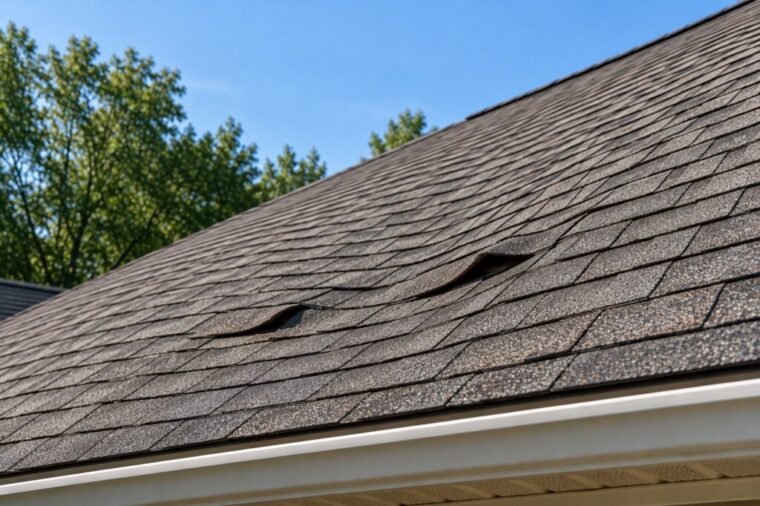
One of the most concerning signs of roof decking damage is a noticeable sag or uneven section of the roof.
Roof decking is typically constructed using plywood or oriented strand board (OSB), which supports the roofing materials above it. When moisture weakens these materials, they can lose strength and begin to deform.
You may notice:
-
A dip between roof framing members
-
Uneven shingles along the roofline
-
Sections that appear wavy or sunken
However, sagging can also indicate damaged rafters, trusses, or other structural components.
If you notice changes in your roof’s shape, arrange a professional inspection rather than attempting to investigate from the rooftop.
2. Water Stains on Ceilings or Inside the Attic
Water stains are another potential warning sign of roof decking damage.
Brown or yellow discoloration on ceilings may indicate that moisture has entered through damaged shingles, flashing, or another vulnerable area.
Inside the attic, homeowners may discover darkened plywood, water streaks, or damp insulation.
Although ceiling stains do not automatically mean the decking is deteriorating, repeated moisture exposure can eventually cause wood rot and structural weakening.
Addressing roof leaks promptly helps protect both the decking and the interior of your home.
3. Soft, Rotted, or Deteriorating Roof Sheathing
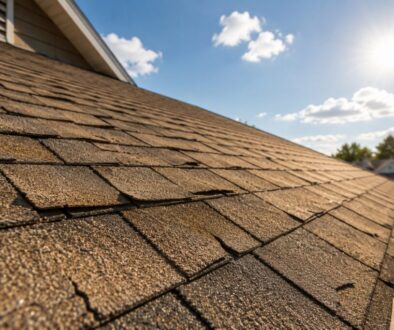
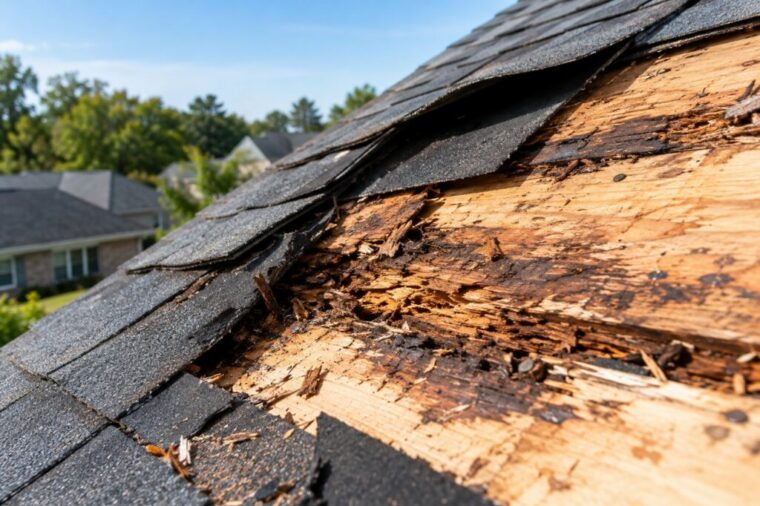
Rotted roof decking develops when wood remains exposed to excessive moisture over time.
As deterioration progresses, plywood layers may separate, while OSB panels can swell, soften, or lose their ability to hold roofing fasteners securely.
Common indicators include:
-
Discolored or deteriorating wood
-
Visible swelling or delamination
-
Crumbling material
-
Persistent dampness around roof penetrations
These conditions often require more than replacing a few shingles.
A professional roofer can determine whether localized roof decking repair is sufficient or whether larger sections need replacement.
4. Mold Growth or Persistent Musty Odors
A musty attic odor may indicate an ongoing moisture problem.
Roof leaks, inadequate ventilation, and indoor air leaking into the attic can all contribute to elevated moisture levels.
When moisture remains trapped, mold may develop on wooden surfaces, including roof sheathing.
Mold does not always mean roof decking damage has occurred, but it signals conditions that deserve attention.
StaDry Roofing & Restoration helps property owners evaluate roofing problems that may contribute to moisture intrusion.
Correcting the source of moisture is essential before addressing affected materials.
5. Missing Shingles or Repeated Roof Leaks
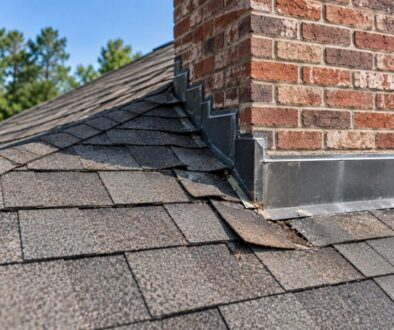
Missing, cracked, or lifted shingles expose the roofing system to additional weather-related stress.
While roof underlayment provides another layer of protection, prolonged exposure to rain can eventually allow moisture to reach the decking.
Repeated leaks in the same area may indicate that the underlying problem has not been fully corrected.
Homeowners experiencing recurring water intrusion should consider a professional roof inspection to determine whether roof decking damage has developed beneath the surface.
Replacing visible roofing materials without evaluating the underlying structure may leave the original problem unresolved.
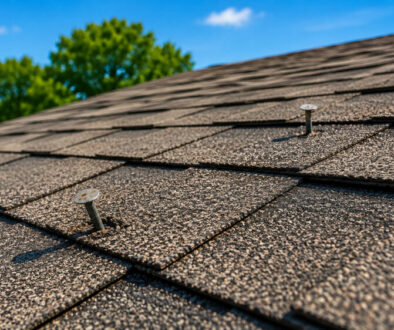
6. Rusted Roofing Nails or Moisture Around Fasteners
Roofing fasteners can provide clues about hidden moisture conditions.
From inside an accessible attic, homeowners may notice rusted nail tips, dark staining around fasteners, or moisture collecting beneath the roof sheathing.
These symptoms may result from roof leaks or attic condensation.
In Eastern North Carolina, humid conditions can contribute to moisture problems when ventilation and air sealing are inadequate.
However, rusted fasteners alone do not confirm roof decking damage.
A qualified contractor should evaluate the roof’s condition and determine whether repairs are needed.
7. Unexpected Problems During Roof Replacement
Some roof decking damage remains hidden until existing roofing materials are removed.
During a roof replacement, contractors may discover deteriorated plywood, weakened OSB panels, or areas that no longer provide a secure foundation for new shingles.
Installing new roofing materials over compromised decking can affect fastening performance and the overall reliability of the roofing system.
This is why evaluating the underlying roof structure is an important part of a properly planned replacement project.
Homeowners should ask their roofing contractor how unexpected decking repairs will be documented, priced, and approved before additional work begins.
What Causes Roof Decking Damage in North Carolina?
Roof decking damage typically develops when moisture repeatedly reaches materials that are intended to remain dry.
Common causes include roof leaks, deteriorated flashing, damaged shingles, condensation, and prolonged exposure following severe weather.
North Carolina’s humid summers, thunderstorms, and tropical weather systems can increase the importance of maintaining a weather-resistant roofing system.
Routine inspections, adequate attic ventilation, and timely roof repairs help reduce the risk of deterioration.
Can Damaged Roof Decking Be Repaired?
Yes. Roof decking damage can often be repaired when deterioration is limited to a specific area and the surrounding structure remains sound.
A contractor may remove damaged roofing materials, replace affected decking panels, and restore the underlayment and shingles.
More extensive deterioration may require additional structural evaluation or replacement of larger sections.
The appropriate solution depends on the condition of the decking, the source of moisture, and the extent of damage.
Protect Your Home With Professional Roofing Services
Ignoring roof decking damage can allow a relatively manageable roofing problem to develop into a more expensive repair.
Whether you’re experiencing recurring leaks, noticing unusual roofline changes, or planning a roof replacement, identifying the underlying cause is essential.
StaDry Roofing & Restoration provides professional roofing services throughout Wilson, Raleigh, Greenville, and surrounding Eastern North Carolina communities.
If you suspect roof decking damage, contact StaDry Roofing & Restoration to schedule a professional inspection and discuss the most appropriate repair options for your home.
Frequently Asked Questions
-
Roof decking damage may cause sagging roof sections, water stains, rotted plywood, musty attic odors, or repeated leaks. Some deterioration remains hidden beneath roofing materials, making a professional inspection the most reliable way to determine the condition of the decking.
-
Yes. Localized roof decking damage can often be repaired by removing affected roofing materials and replacing deteriorated decking panels. However, extensive moisture damage or structural deterioration may require more substantial repairs.
-
Roof decking typically rots because of prolonged moisture exposure. Common causes include roof leaks, damaged flashing, missing shingles, condensation, and inadequate attic moisture control. Identifying and correcting the moisture source helps prevent recurring damage.
-
It depends on the cause of the damage and the terms of the insurance policy. Sudden damage from a covered storm may qualify, while gradual deterioration, neglected maintenance, or long-term moisture problems are commonly excluded. Homeowners should review their policy and consult their insurer.
-
There is no universally safe waiting period for damaged roof decking. The urgency depends on the extent of deterioration, active moisture intrusion, and structural condition. Sagging, soft decking, or active leaks warrant prompt professional evaluation.